


🌿 What is Conceptual Art?

Conceptual art shifts the focus from the object to the idea.
Conceptual art is a form of art that lives through meaning, intention, and reflection, rather than material beauty.
Conceptual art is that area of creation where the idea becomes the primary substance. Not form, not technique, not craftsmanship - but the concept that drives the entire artistic process. It is an art that no longer settles for visual beauty but delves into thought, where a simple question can carry the same weight as a sculpture.
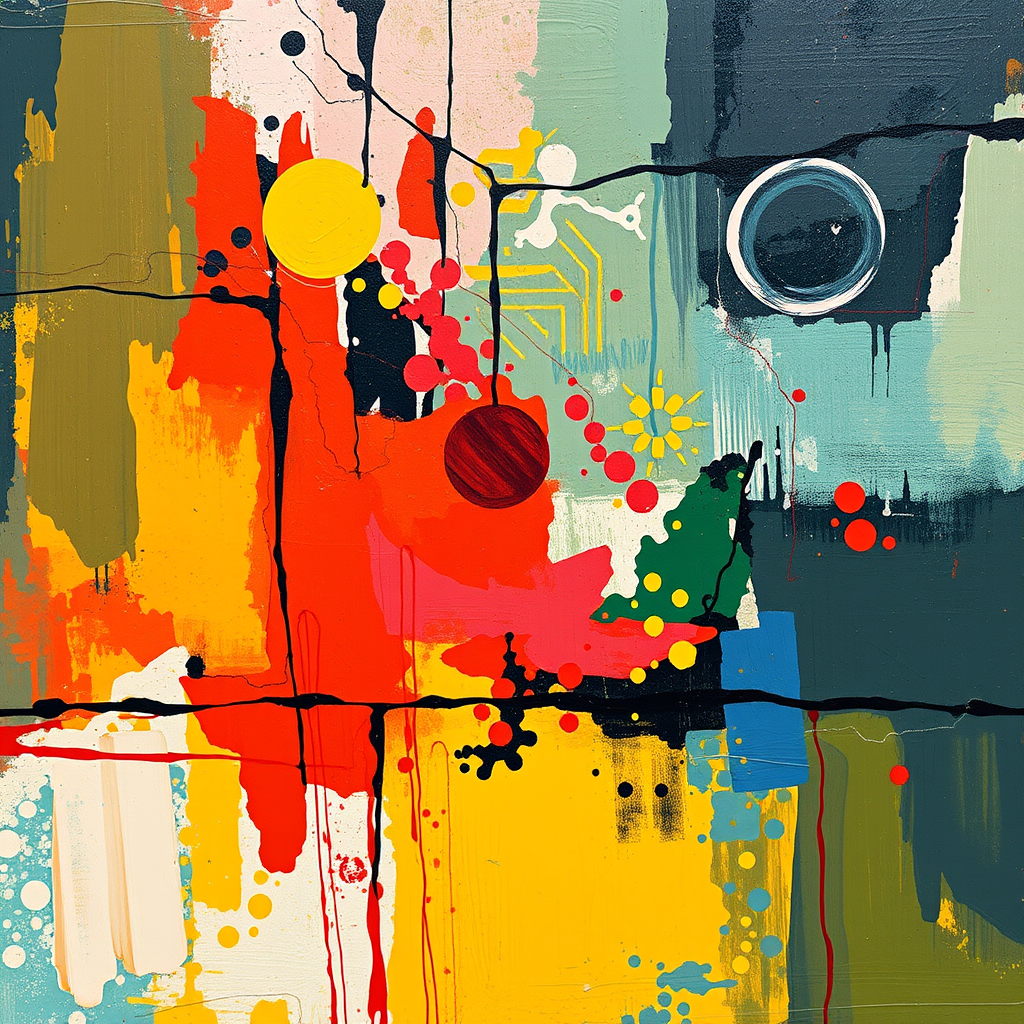
Its origin lies in the moment when a few artists began to notice that the final object, no matter how beautiful, was no longer enough. That the essence of creation resides in intention, in mental direction, in the tension between an idea and the way it manifests - whether as an object, a gesture, or absence.
Conceptual art does not ask the viewer to admire but to reflect. To ask "why?" rather than just "how?". To accept that a work can be made of words, instructions, sounds, time, memory, or even nothing tangible at all. Sometimes, the only material is thought itself.
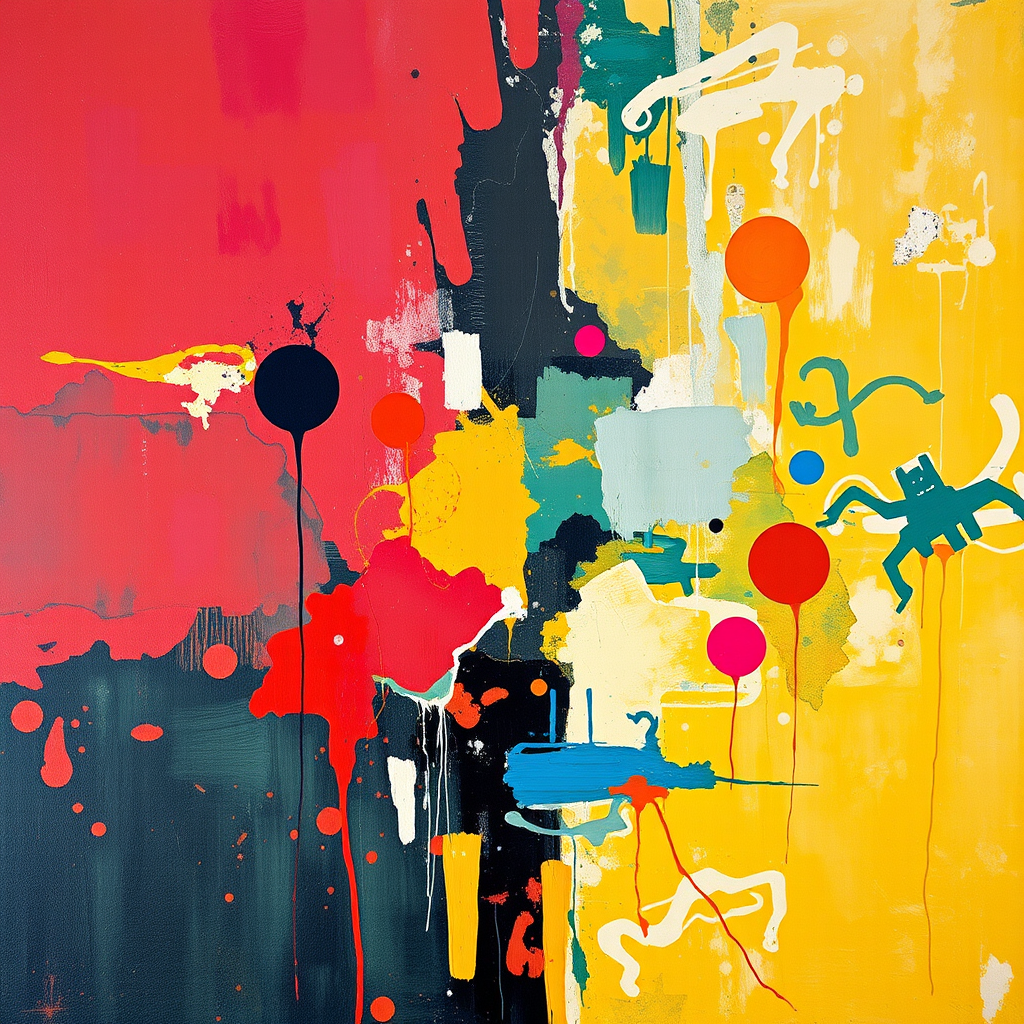
To understand it, it helps to momentarily let go of the idea that art is primarily about beautiful objects. In conceptualism, the object may be absent. What remains is the relationship between the artist, the idea, and the viewer. This is where the charm lies: each person reconstructs the work in their mind, and the artwork exists in as many forms as there are perceivers.
Conceptual art challenges us to see the world differently. To ask what makes something art. Is it the material? The execution? The context? Or perhaps the intention? The answers are never definitive, and it is precisely this openness that makes it so liberating.
Ultimately, conceptual art reminds us that sometimes what is unseen is more powerful than what is seen. And an idea, no matter how simple, can become an entire universe when expressed in the right way.
Images
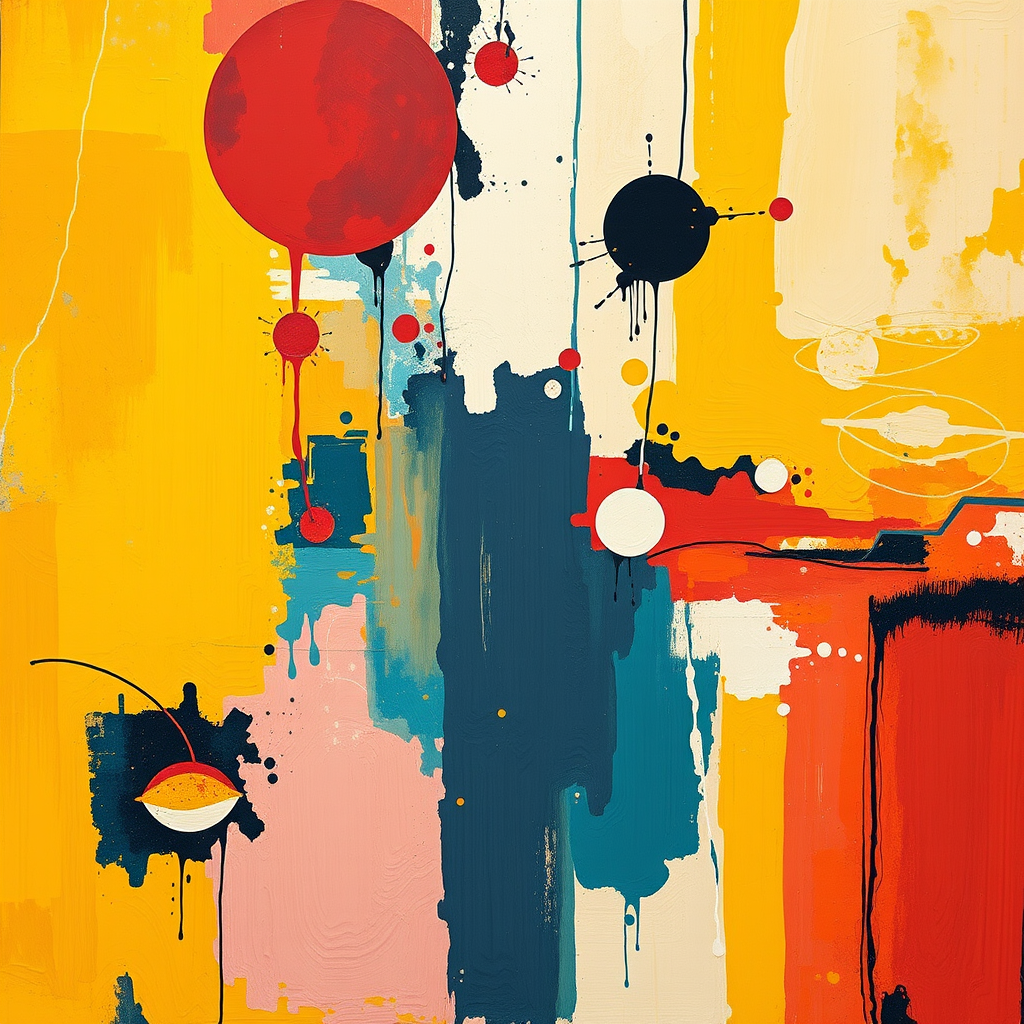
Abstract conceptual art representing the idea that meaning and intention outweigh material beauty - minimalist composition, symbolic shapes, soft diffused lighting, muted colors, floating geometric elements, subtle surrealism, intellectual mood, clean negative space, ultra-detailed, high-resolution.
Recap (Q&A)
Conceptual art places the idea before the physical object.
The relationship between artist, idea, and viewer is the heart of the experience.
The work exists in the interpretation and mental reconstruction of each viewer.
1. Why does the idea matter more than the form?
Because in this art, meaning is the essence, and the object is just a possible vehicle.
2. How does the viewer participate in the work?
Through interpretation; they recreate the work in their own mind.
3. Can art exist without a visible object?
Yes, when the message, intention, and concept are strong enough.
Conceptual art emphasizes the idea, not the object.
The viewer becomes part of the work through interpretation.
Form can be minimal, changeable, or even nonexistent.
REFLECTIVE QUESTIONS
What am I trying to understand when I look at a work: the object or the intention?
Can an idea be considered art even if it has no physical form?
How does my experience as a viewer change if I have to mentally participate in the work?
Keywords / Key Phrases: central idea, mental art, emergent meaning, idea as art, absence as form, concept before object, idea as material, art as question not object, viewer’s role in completing the work, art as thought
Category: CONCEPTUAL ART | Page updated on: November 26, 2025
Author: Arxonyus
Discover also in CONCEPTUAL ART: absence as form
