


Orphism and the Cult of Dionysos: Mystery Religions of Ancient Thrace
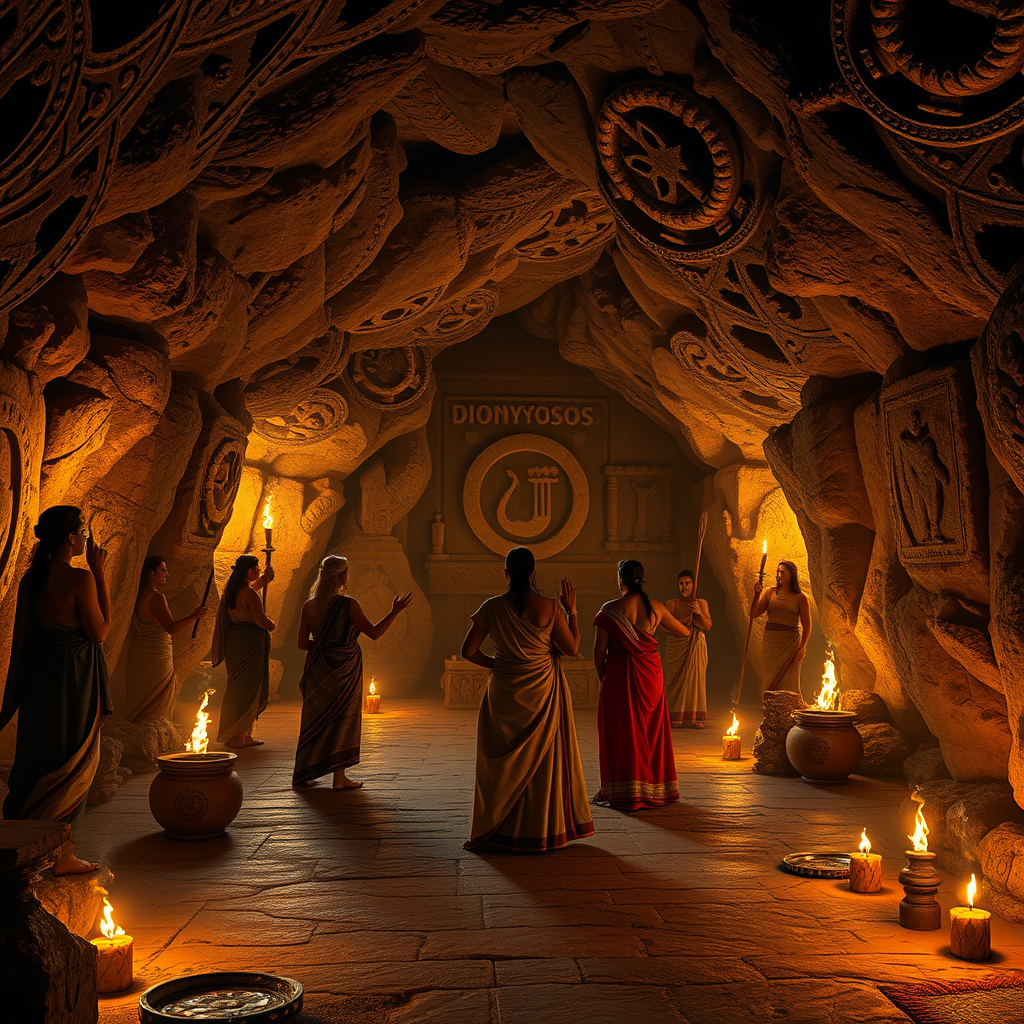
In the ancient Balkans and Greece, Orphism and the cult of Dionysos shaped spiritual life through mystery rituals, sacred music, and visions of the afterlife. These traditions, deeply rooted in Thrace, explored themes of death, rebirth, and divine ecstasy—ideas that would echo through later religions.
Orphism: A Religion of Mysteries
Orphism emerged as a mystical movement centered on Orpheus, the legendary poet and musician believed to have descended into the underworld and returned. Unlike the public rituals of the Olympian gods, Orphism thrived in secrecy. Its followers practiced initiation rites, purification rituals, and recited sacred hymns attributed to Orpheus.
The core beliefs of Orphism included:
The soul is divine but trapped in a mortal body.
Life is a cycle of reincarnation (metempsychosis).
Through ritual and spiritual knowledge, the soul can escape the cycle and reunite with the divine.
Orphism thus offered not just worship, but a path of salvation—an intensely personal religion promising liberation beyond death.
Dionysos: God of Ecstasy and Resurrection
Closely linked to Orphism was the cult of Dionysos, god of wine, ecstasy, and divine madness. Dionysian rites often involved music, dance, and altered states of consciousness. Participants sought to transcend the boundaries of the self, experiencing unity with the divine.
But Dionysos was more than the god of revelry. Myth tells of his dismemberment by the Titans and subsequent rebirth—an archetype of death and resurrection. This myth deeply resonated with Orphic teachings, reinforcing the belief that suffering and destruction could lead to renewal and immortality.
Shared Symbols and Rituals
The overlap between Orphism and Dionysian worship is striking:
Music and Ecstasy: Orphic hymns and Dionysian dances both used rhythm and sound to elevate the spirit.
Sacred Wine: Dionysos embodied the vine, while Orphics saw wine as both life and sacrifice.
Initiation Mysteries: Both religions relied on secret rites, often involving symbolic death and rebirth of the initiate.
Resurrection Mythology: Orpheus’s journey to Hades and Dionysos’s rebirth reflect the same archetype of overcoming death.
Together, they created a spiritual landscape in which suffering, death, and ecstasy were transformed into hope of transcendence.
Thrace: The Cradle of Mysticism
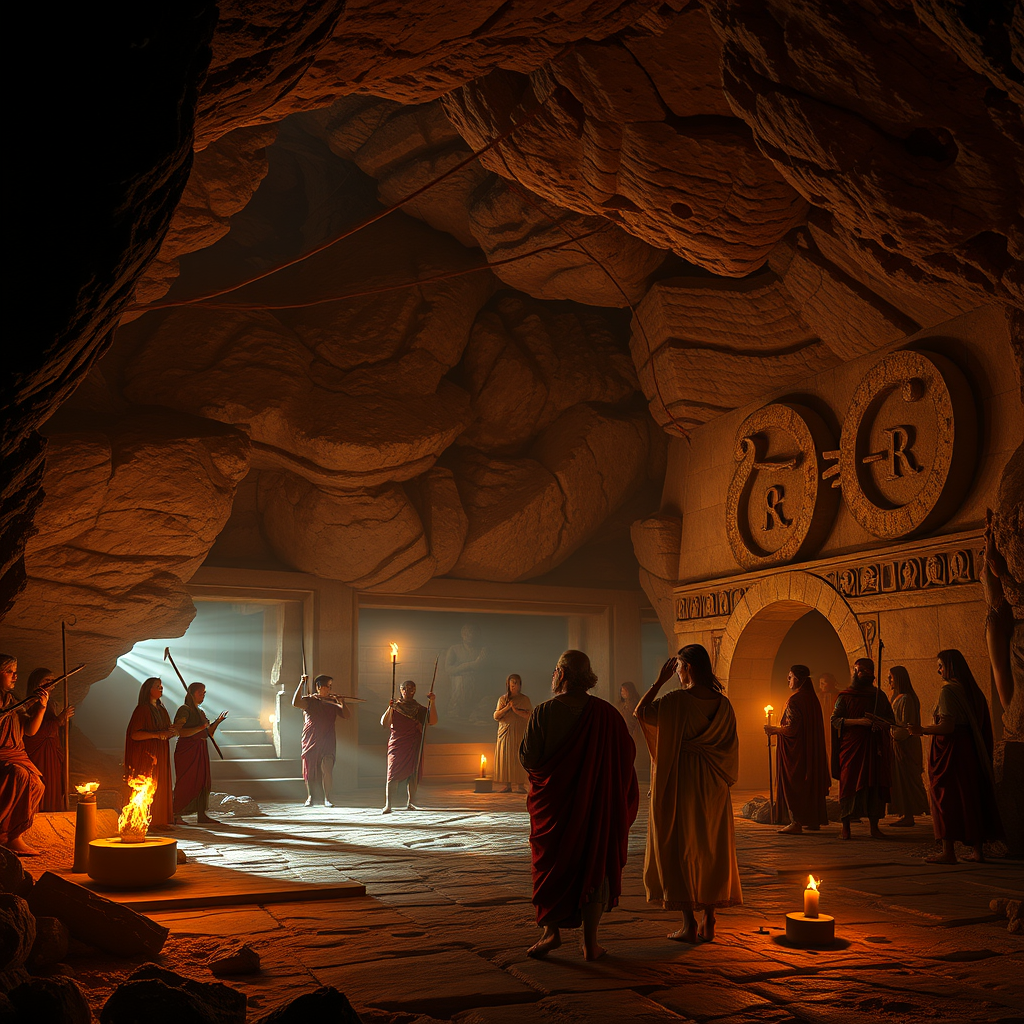
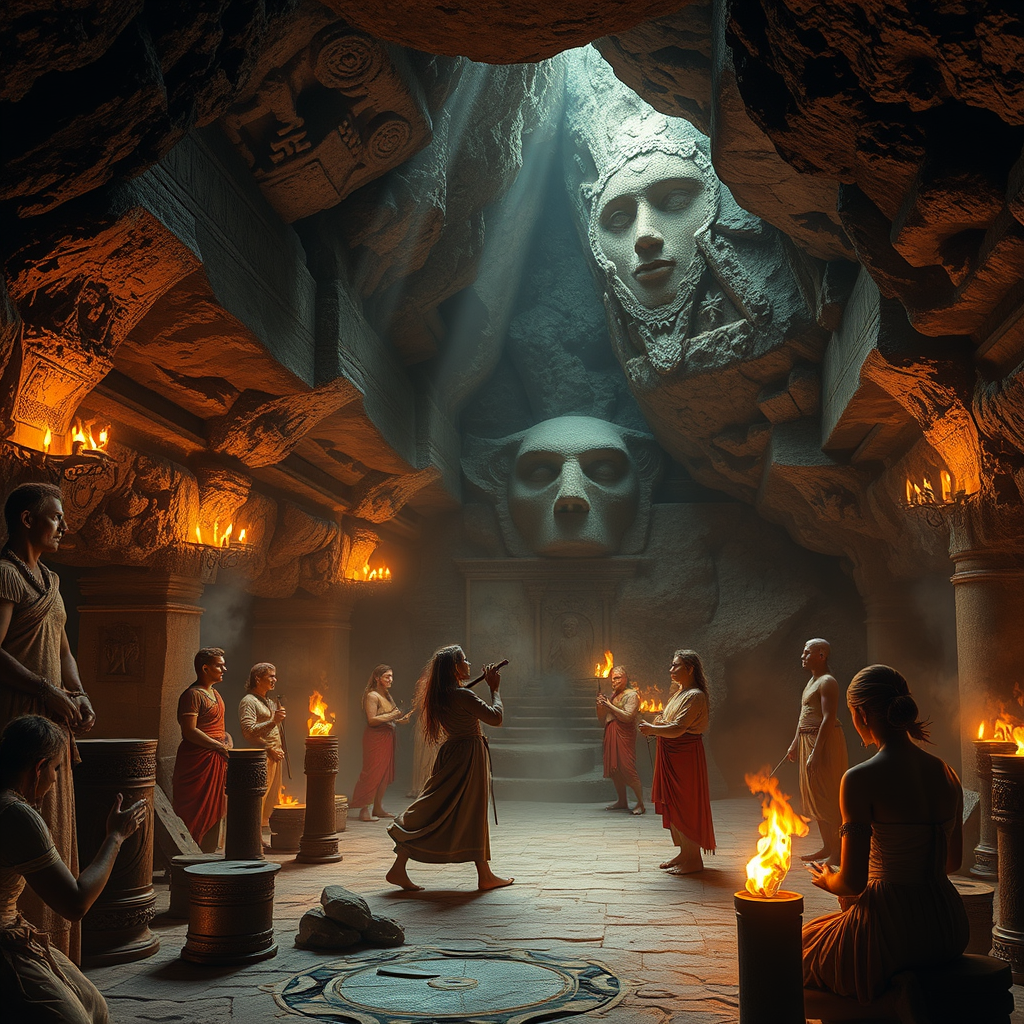
Ancient Thrace, stretching across parts of modern Bulgaria, Greece, and Turkey, was the birthplace of Orphism. The region’s rugged mountains and caves became settings for rituals and myths. Archaeological finds—golden tablets with Orphic texts, votive objects, and sacred caves—testify to the spread of these cults.
Dionysos himself was considered of Thracian origin, a god of the wild whose mysteries captivated both rural tribes and Greek city-states. The blending of Thracian, Greek, and later Roman traditions turned the Balkans into a crossroads of ancient spirituality.
Influence on Later Religions
The mysteries of Orpheus and Dionysos introduced powerful themes that would echo in Christianity and Gnosticism:
Salvation through divine suffering.
Resurrection after death.
Ritual communion (wine as a sacred substance).
Secret knowledge reserved for the initiated.
Though not a direct line of descent, the similarities reveal a cultural and religious continuity. Early Christianity, emerging in the same Mediterranean world, developed in dialogue with traditions already steeped in ideas of sacrifice and rebirth.
Conclusion
The Orphic mysteries and the cult of Dionysos were not fringe cults but powerful spiritual traditions of the ancient Balkans and Greece. By merging music, ritual, and myth, they created a path of ecstasy and liberation that promised salvation beyond death.
While their rites remain partly hidden in secrecy and myth, their influence is undeniable. Through the intertwined figures of Orpheus and Dionysos, we glimpse a spiritual atmosphere that shaped not only Thrace and Greece but also the religious imagination of the wider ancient world.
Images:
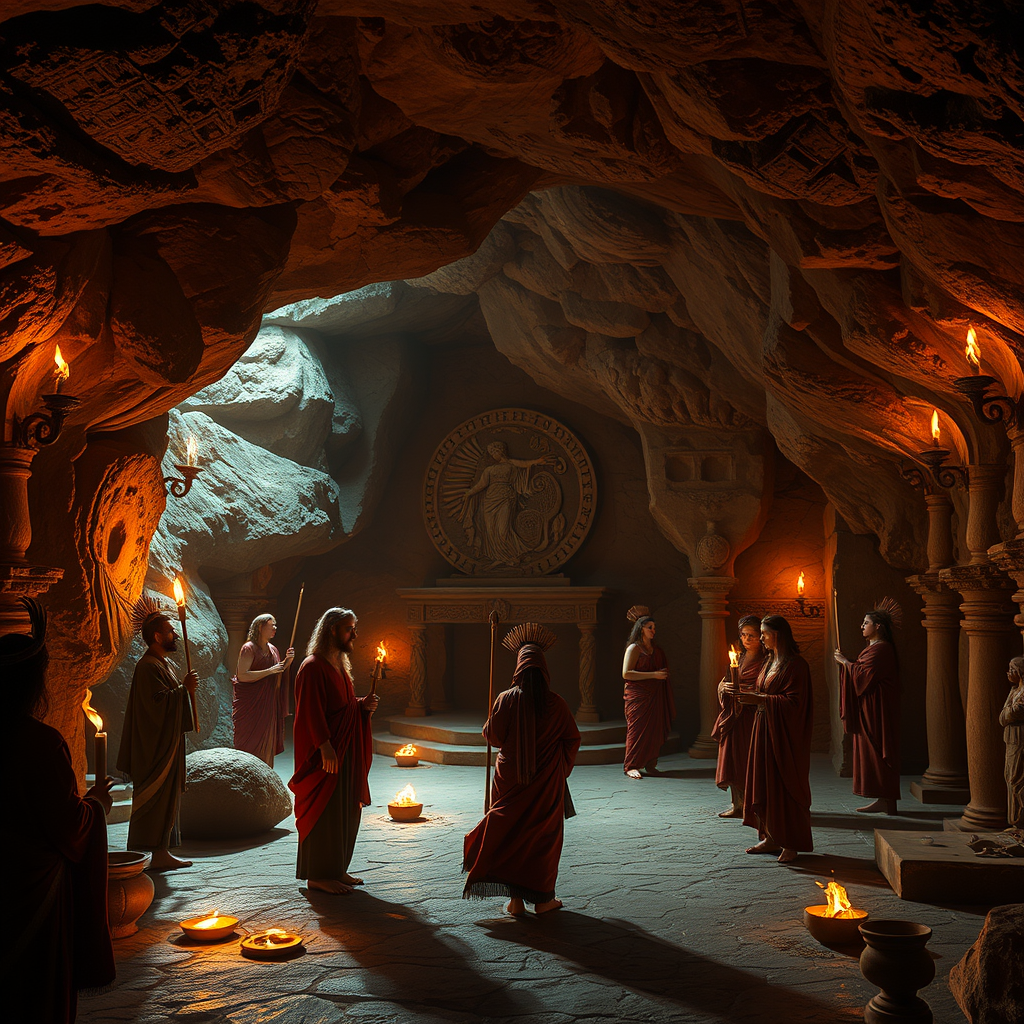
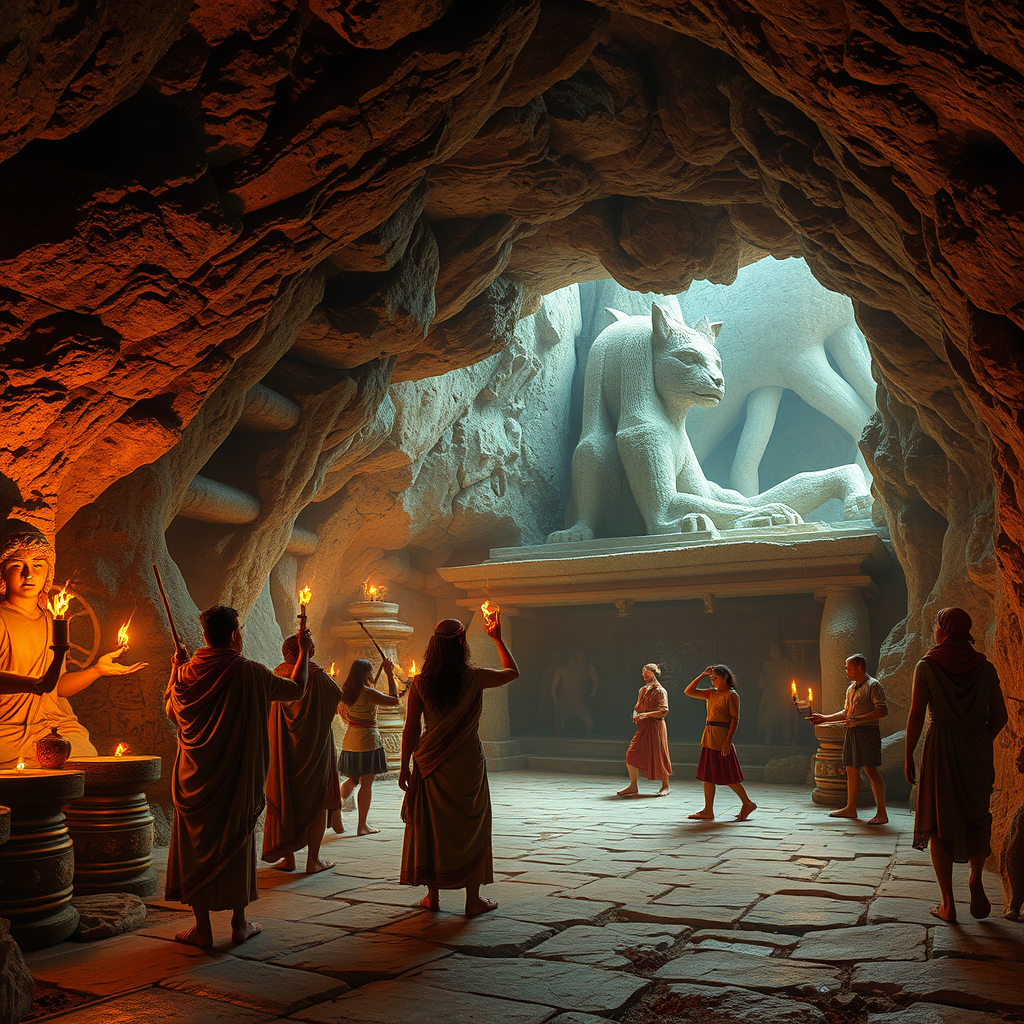
Ancient Thracian cave sanctuary with flickering torches, worshippers in ritual dance honoring Dionysos, carved stone symbols of Orpheus and lyre, mystical atmosphere, mystery religion setting.
Keywords / Key Phrases: Orphism, Dionysos, Thracian mysteries, resurrection myth, Orphic mystery religion, Dionysian cult, Thrace spirituality, music and ecstasy in ancient religion, death and rebirth archetype
Category: VISIONS | Page updated on: November 26, 2025
Author: Arxonyus
Discover also in VISIONS: subjective reality; to be creative; life; turning dreams into reality; adaptability

