


Religions of Ancient Europe: Mystery Cults and Spiritual Landscapes Before Christianity

Long before Christianity, southeastern Europe—Thrace, Macedonia, and northern Greece—was home to diverse spiritual traditions. Mystery cults, local deities, and ritual practices shaped beliefs about life, death, and the soul. This article explores the pre-Christian religious landscape, highlighting attested discoveries and scholarly interpretations.
Long before the rise of Christianity, the lands of southeastern Europe — from Thrace and Macedonia to northern Greece and the Danube regions — were a rich mosaic of religious traditions. Here, the sacred and the mundane intertwined seamlessly, and communities expressed their understanding of life, death, and the cosmos through rituals, music, myth, and art. Mystery cults, local deities, and early philosophical ideas created a spiritual landscape that influenced generations to come. This article explores the religious atmosphere of pre-Christian Europe, highlighting attested discoveries and scholarly interpretations without asserting absolute certainties.
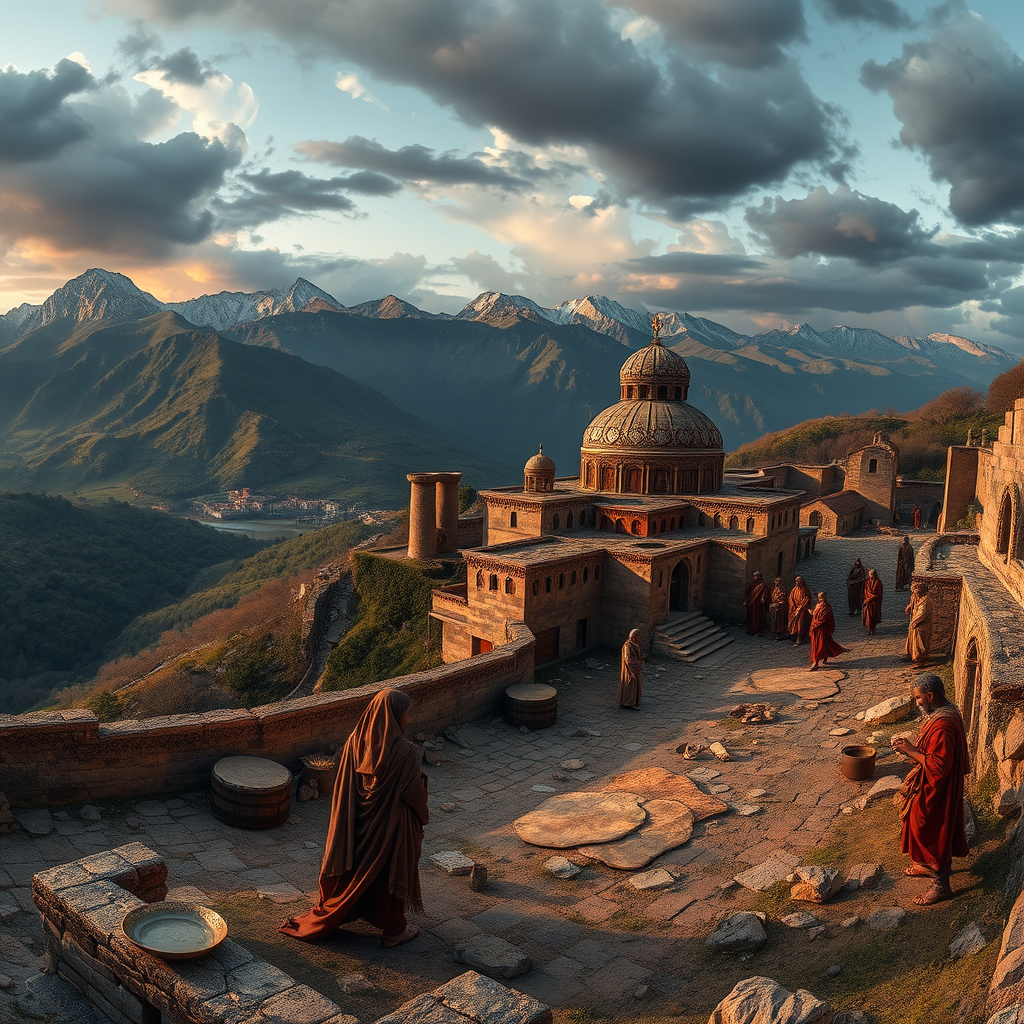
A Diverse Religious Landscape
The spiritual environment of ancient southeastern Europe was remarkably diverse. Local populations revered a wide range of deities and spirits, often associated with nature, fertility, and the cycles of life and death. Mountains, rivers, and forests were considered sacred, and natural sites served as focal points for worship.
In Thrace, the cult of Sabazios, a horse-riding sky god, and Cybele, a mother goddess of the mountains and fertility, coexisted with smaller local spirits and hero cults. Sacred rituals frequently involved symbolic offerings, music, and dance. Initiations into mystery cults promised insights into the afterlife, moral purification, and spiritual protection.
These communities were not isolated; trade, migration, and cultural exchange allowed beliefs to flow across regions. Greek, Anatolian, and even Egyptian ideas merged with indigenous practices, creating a syncretic environment where symbols and rituals were flexible, adaptable, and deeply meaningful.
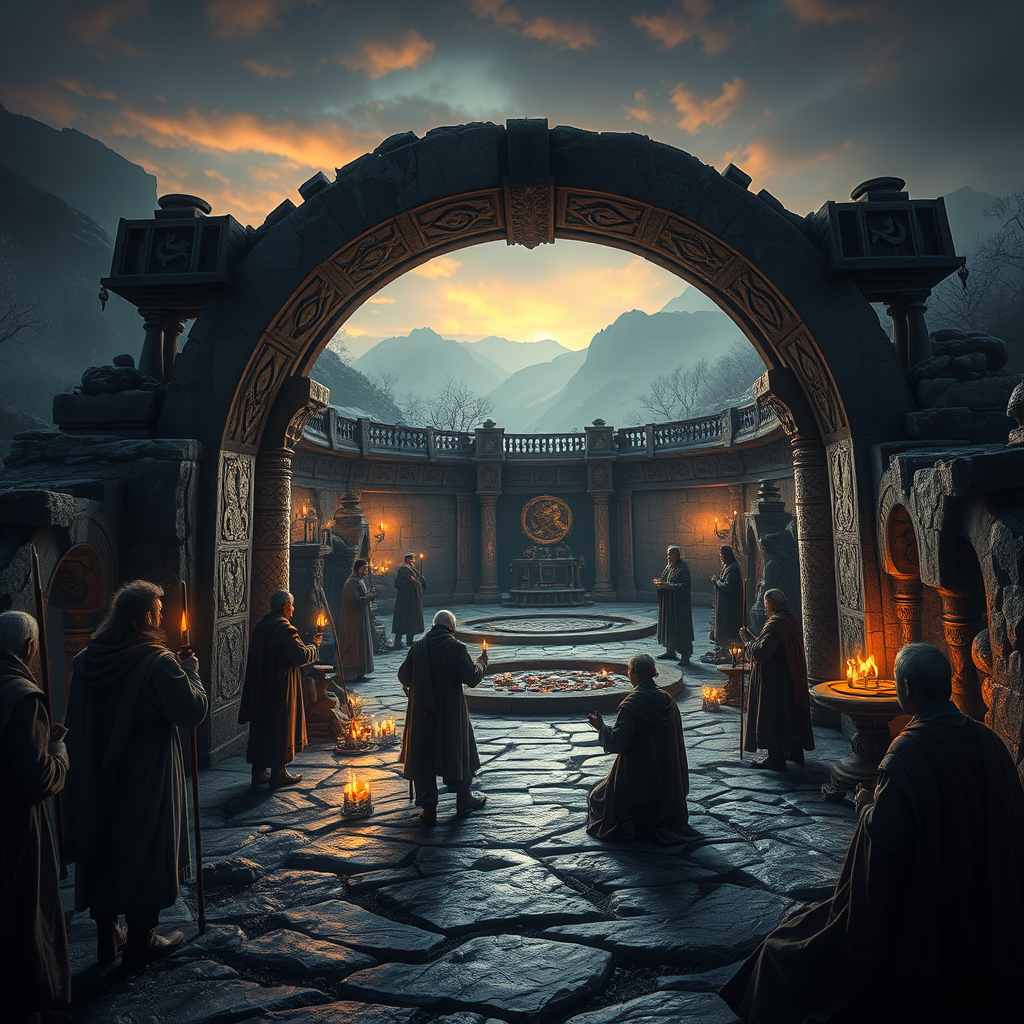
Mystery Cults and the Orphic Tradition
Among the most influential religious currents were the mystery cults, which focused on personal transformation, moral conduct, and the soul’s journey after death. Central to one of the most famous of these movements was Orpheus, a legendary poet, musician, and prophet from Thrace.
Orpheus’s myths conveyed profound spiritual ideas. His descent into the underworld to retrieve his wife Eurydice symbolized the possibility of confronting death, experiencing profound loss, and gaining wisdom. Music, in Orpheus’s narrative, was more than art—it was a medium capable of harmonizing the natural and divine worlds. The Orphic mysteries emphasized purification rites, the immortality of the soul, and initiation into secret knowledge, often transmitted through symbolic texts, inscribed tablets, and ritual objects.
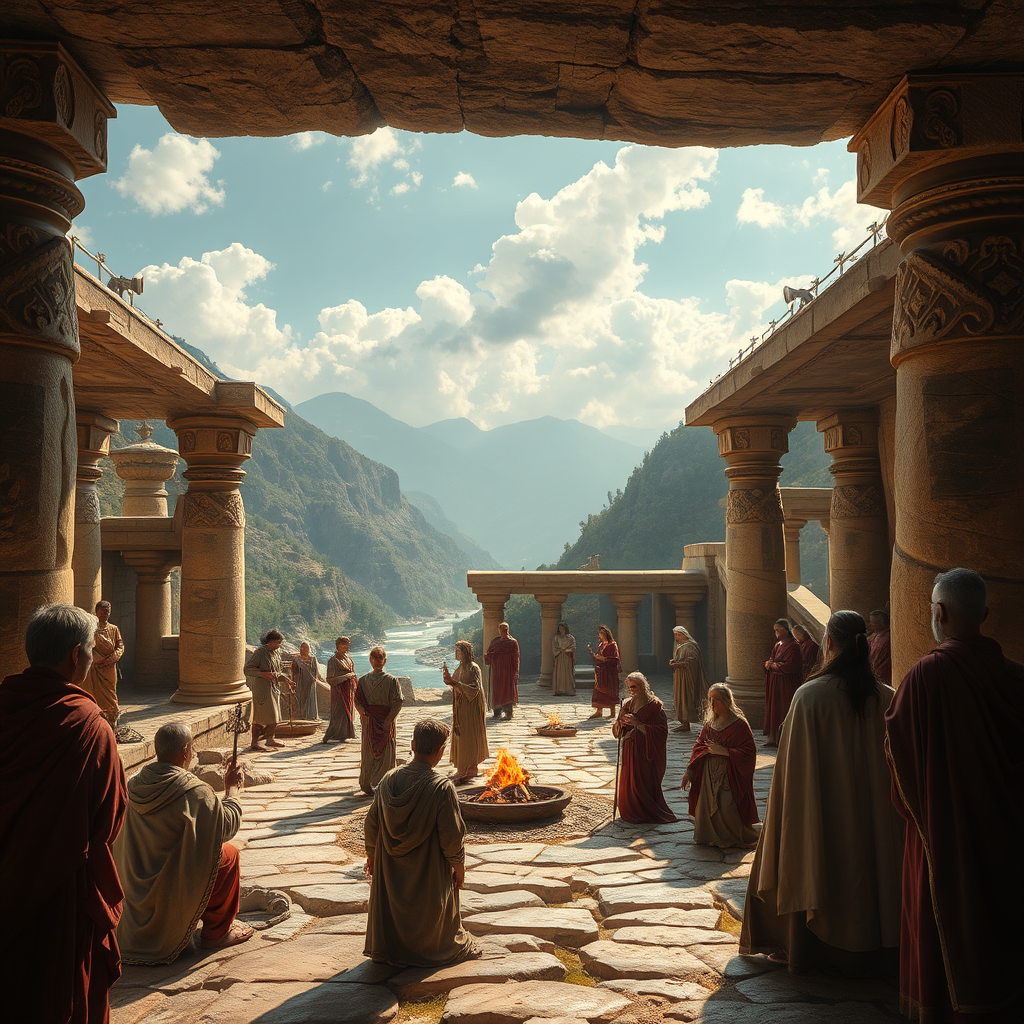
Syncretism and Cross-Cultural Influences
The religious landscape of ancient Europe was rarely static. Interaction with Greek and Anatolian civilizations introduced philosophical and mythological elements that enriched local traditions. The ideas of apocalyptic journeys, rebirth, and cosmic harmony permeated multiple cults.
Philosophical influences, such as those from Pythagorean thought, contributed to the understanding of the soul and ethical conduct. Egyptian concepts of afterlife and divine judgment may have also informed local belief systems, particularly in areas with active trade and contact with Mediterranean civilizations.
In this environment, Orphism was not merely a local curiosity; it was part of a broader tapestry of spiritual experimentation, reflecting a desire to understand the mysteries of life, death, and divine order.
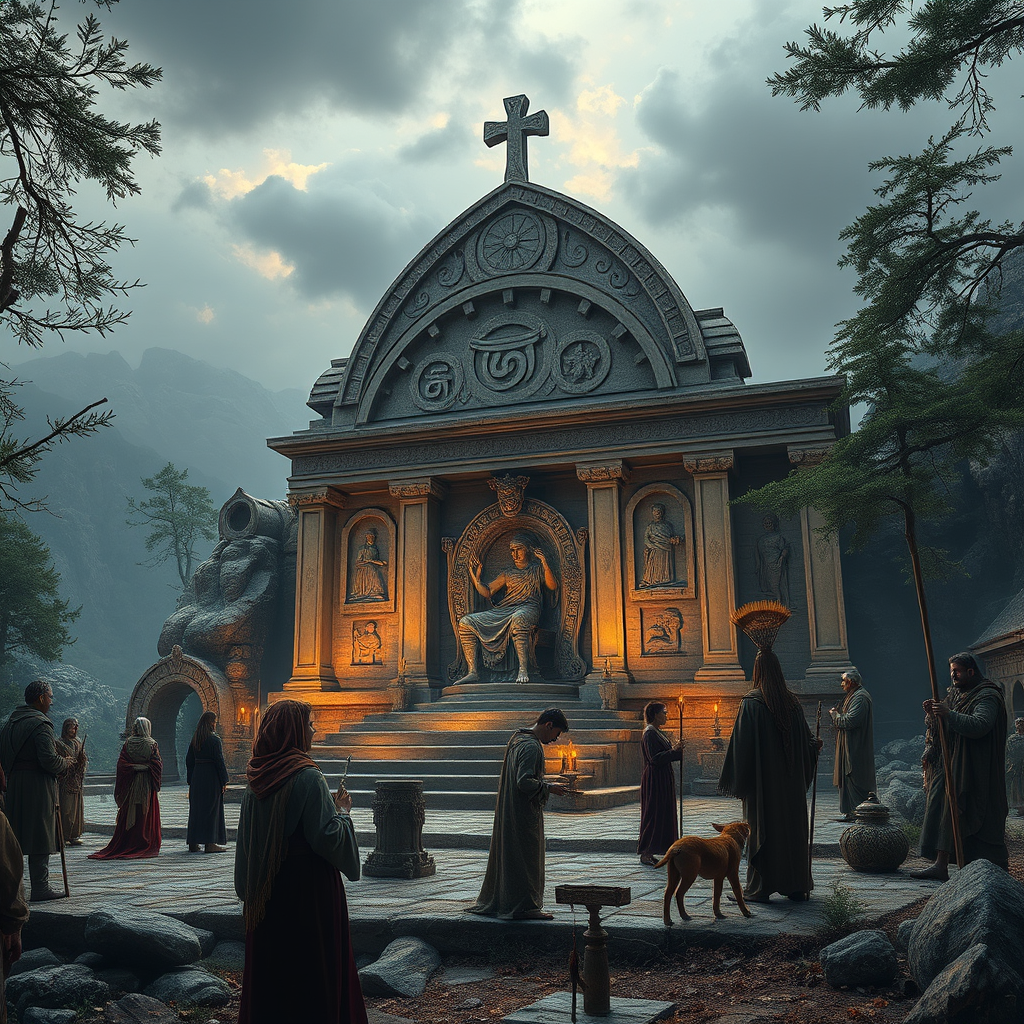
The Role of Ritual and Symbolism
Rituals in southeastern Europe often combined music, sacrifice, and symbolic enactment. Initiates might experience a dramatized journey into death and rebirth, echoing the narratives of Orpheus and other mythic figures.
Artifacts such as inscribed golden tablets, carved stones, and figurines provide evidence of these beliefs. These objects, though fragmentary, suggest complex theological systems where the soul’s journey, divine intervention, and ethical behavior were intimately connected.
Symbolism was central: animals, sacred plants, and celestial imagery were woven into ritual spaces and objects. These visual and performative elements reinforced moral teachings and spiritual lessons, often encoded so that only initiated members could fully interpret their meanings.
Christianity Emerges in a Pre-Existing Spiritual Context
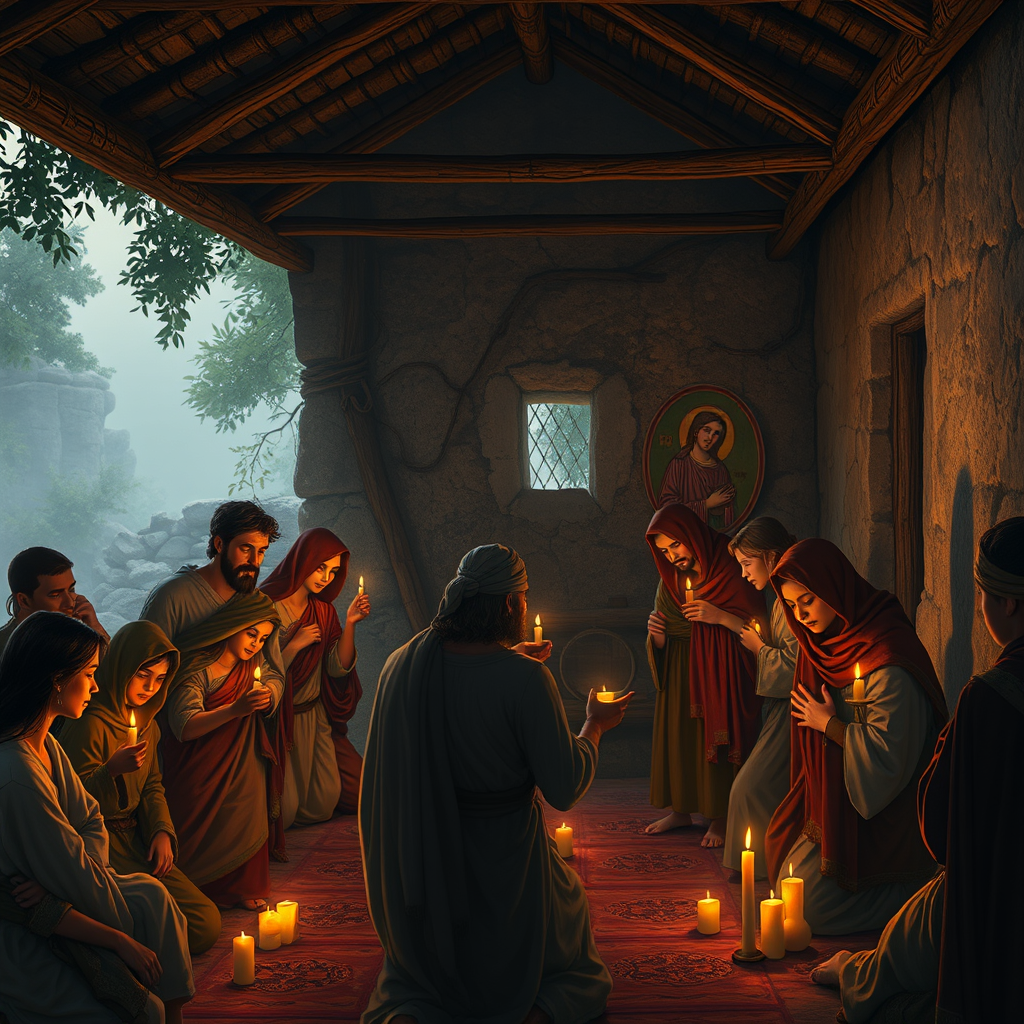
By the first century CE, when Christianity began to spread through these regions, it encountered a spiritual environment already rich in symbolic and mystical ideas. Themes such as death, resurrection, divine guidance, and moral purification were already familiar to local populations through Orphic, Dionysian, and other mystery traditions.
Scholars have noted that early Christianity did not develop in isolation. Instead, it emerged in dialogue with existing beliefs, sometimes adopting symbolic forms and ritual structures that resonated with pre-existing spiritual practices. While specific correspondences remain debated, archaeological and textual evidence demonstrates a complex interaction between pre-Christian religious thought and the nascent Christian movement.
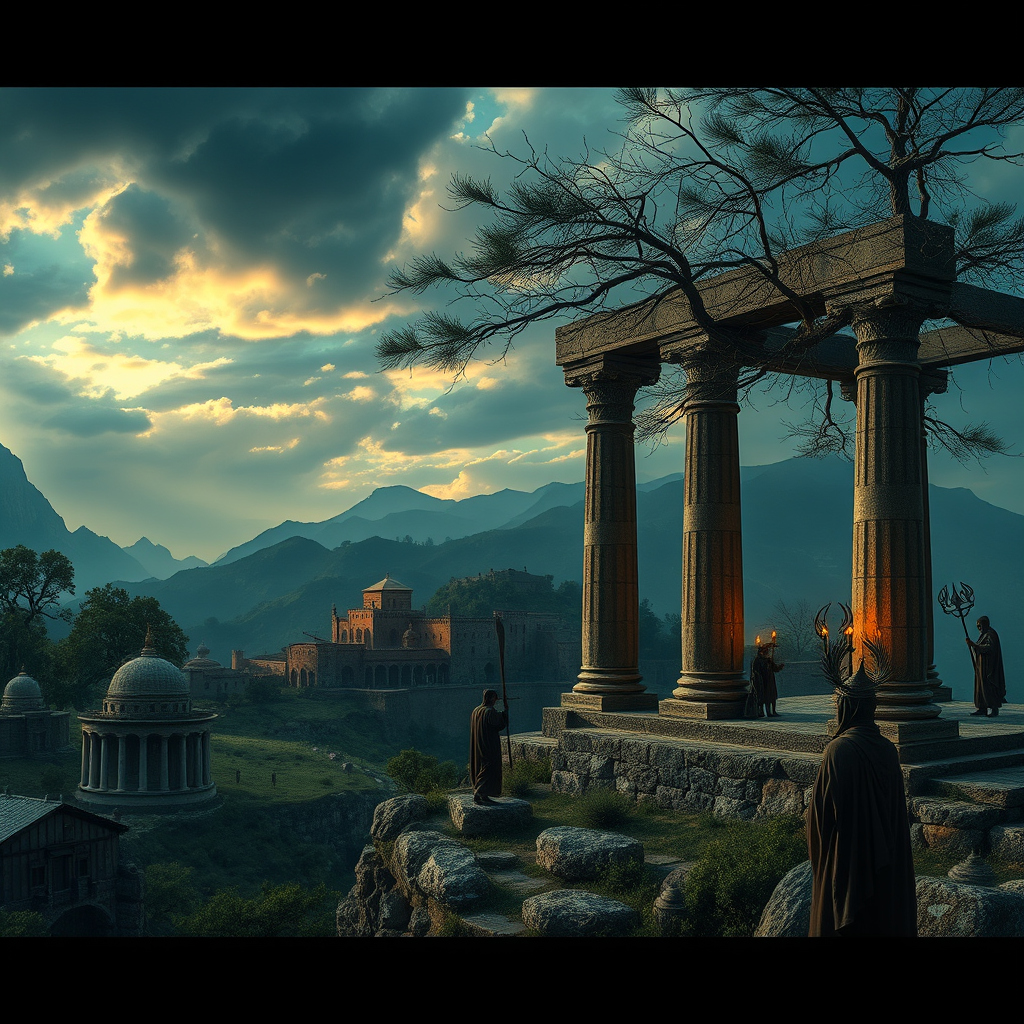
The religious world of ancient southeastern Europe was a dynamic and multilayered tapestry. Communities venerated natural and divine forces, practiced mystery rites, and developed sophisticated symbolic systems to understand life, death, and the cosmos. Orphic traditions, with their focus on music, initiation, and the immortality of the soul, played a central role in shaping spiritual thought.
Understanding this pre-Christian spiritual landscape provides essential context for studying later religious developments, including the rise of Christianity. By examining artifacts, myths, and ritual practices, historians and archaeologists can reconstruct a world where belief was fluid, symbolically rich, and deeply interconnected—a world that laid the foundation for many ideas that would later appear in Christian thought.
Images:
A panoramic view of ancient Thracian and Balkan landscapes showing sacred mountains, ritual sites, and worshippers performing pre-Christian ceremonies, atmospheric and historically inspired lighting, mythological symbols subtly integrated.
A sacred ancient Thracian site with people performing rituals and prayers, surrounded by natural elements like mountains, rivers, and trees, with symbolic carvings and altars, atmospheric lighting, evoking spiritual veneration and pre-Christian religious practices in southeastern Europe.
Keywords / Key Phrases: pre-Christian religions, ancient Thrace, European mystery cults, Thracian religious traditions, Orphic and Dionysian practices, pre-Christian spiritual landscape, ancient European rituals, mystery cult artifacts
Category: VISIONS | Page updated on: November 26, 2025
Author: Arxonyus
Discover also in VISIONS: the process of focusing; subjective; focus and productivity; resilience; life
